
How to Clean Hardwood Floors Without Damaging Them
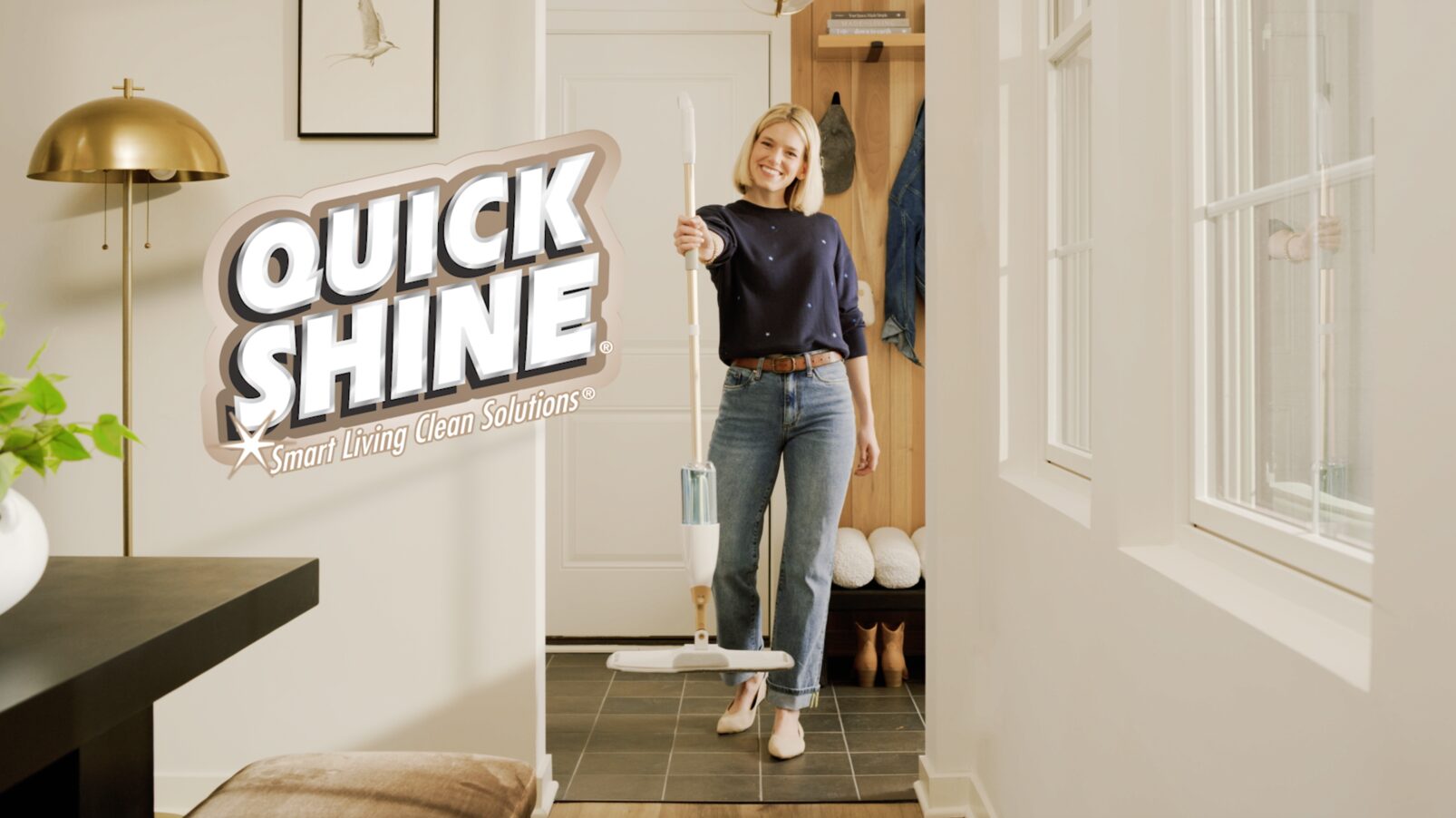
Hardwood floors add warmth and beauty to any home—but cleaning them the wrong way can lead to dullness, streaks, or even permanent damage. From too much water to harsh chemicals, many common cleaning habits do more harm than good.
The good news? With the right approach and the right products, you can keep your hardwood floors clean, shiny, and protected for years to come.
Below is a simple, damage-free guide to cleaning hardwood floors the right way.
Why Hardwood Floors Need Special Care
Hardwood is a natural material that reacts to moisture, heat, and chemicals. Unlike tile or vinyl, it can warp, swell, or lose its finish if cleaned improperly.
Common Hardwood Floor Cleaning Mistakes to Avoid
- Using soaking wet mops
- Steam cleaning hardwood floors
- Using vinegar or ammonia regularly
- Applying waxes not made for hardwood
- Scrubbing with abrasive pads
Avoiding these mistakes is the first step to preserving your floors.
Step-by-Step: How to Clean Hardwood Floors Safely
Step 1: Remove Dust and Debris First
Before using any cleaner, remove dirt and grit that can scratch the surface.
Best options:
- A microfiber dust mop
- A vacuum with a hardwood-safe setting
- A dry mop pad
This step prevents dirt from being pushed around when you mop.
Step 2: Choose a Hardwood-Safe Floor Cleaner
Not all floor cleaners are created equal. Harsh chemicals can strip finishes, while homemade solutions can leave residue or dull your floors over time.
Look for a Safer Choice certified floor cleaner, which means it’s been reviewed by the EPA for safety and effectiveness.
Quick Shine Safer Choice Certified Floor Cleaners are specially formulated to:
- Clean without harsh chemicals
- Be safe for sealed hardwood floors
- Leave no sticky or dull residue
- Protect your floor’s finish over time
They’re tough on dirt, but gentle where it matters most.
Step 3: Mop with Minimal Moisture
Water is hardwood’s biggest enemy. Always use a lightly damp mop, never a dripping one.
Best practice:
- Spray cleaner directly onto the floor or mop pad
- Mop in the direction of the wood grain
- Work in small sections
Using too much liquid can cause swelling, streaking, or damage to seams.
Why the Right Mop Matters for Hardwood Floors
Skip Traditional String Mops
Old-fashioned mops hold too much water and push dirt around instead of lifting it.
Use a Microfiber Mop Designed for Hardwood
Microfiber pads trap dirt while using minimal moisture, making them ideal for wood floors.
Quick Shine Multi-Action Mop Kits are designed specifically for hardwood and hard-surface floors. They feature:
- Reusable, washable microfiber pads
- Controlled spray application
- Lightweight, easy maneuvering
- Safe cleaning without over-wetting
Pairing the right mop with a hardwood-safe cleaner makes a noticeable difference in results.
How Often Should You Clean Hardwood Floors?
Daily or As Needed
- Dust mop or vacuum high-traffic areas
Weekly
- Damp mop with a hardwood-safe cleaner
Monthly or Seasonally
- Deep clean as needed, especially near entryways and kitchens
Consistency is more important than aggressive cleaning.
Extra Tips to Protect Hardwood Floors Long-Term
Use Doormats and Area Rugs
They reduce dirt and moisture tracked onto floors.
Clean Spills Immediately
Standing liquid—even water—can damage hardwood quickly.
Avoid Steam Cleaners
Steam forces moisture into seams and under the finish.
Use Furniture Pads
Prevent scratches and scuffs from chairs and tables.
Final Thoughts: Clean Without Compromise
Cleaning hardwood floors doesn’t have to be complicated—or risky. By avoiding excess water, skipping harsh chemicals, and using tools designed specifically for hardwood, you can keep your floors looking beautiful without damaging them.
Quick Shine Safer Choice Certified Floor Cleaners and Quick Shine Multi-Action Mop Kits make it easy to clean confidently, knowing your floors are protected with every pass.
Healthy floors start with smarter cleaning.